


The world we live in is boring; more than that, sometimes its reality is crushing and almost unbearable. I myself am dealing with serious illness in my family, more specifically with my dad’s health. Things like that certainly have the power to make us forget about the value of fantasy and the power of imagination it brings with it. But we adults are not the only ones who experience the reality of this world; kids also do, and not seldom do they have a hard time dealing with it.
That’s why kids need fantasy in their lives. Fantasy books, in particular, offer young readers a portal to explore new ideas, foster creativity, and build critical thinking skills, playing a crucial role in shaping their young minds.
Now let’s see how fantasy books can do that.

1. Expanding Creativity and Problem-Solving Skills
Have you ever noticed that successful people are generally not the ones with their belt full of degrees but people with a powerful imagination? That’s why we see start-ups becoming billion-dollar businesses run by relatively common but creative people, while the PhDs in Oxford or Harvard don’t come up with any disruptive new tech or service. The reason for that is that imagination and creativity are more valuable to solving problems than raw knowledge. And if we look at biographies of these highly successful people, all of them have one thing in common: they are voracious readers.
But for someone to become a bookworm, first they need to start developing the habit of reading, and the sooner they do it, the better. Here’s where fantasy books play a vital role; they are the gateway for kids to get into the world of literature and become adults who are always reaching for a book.
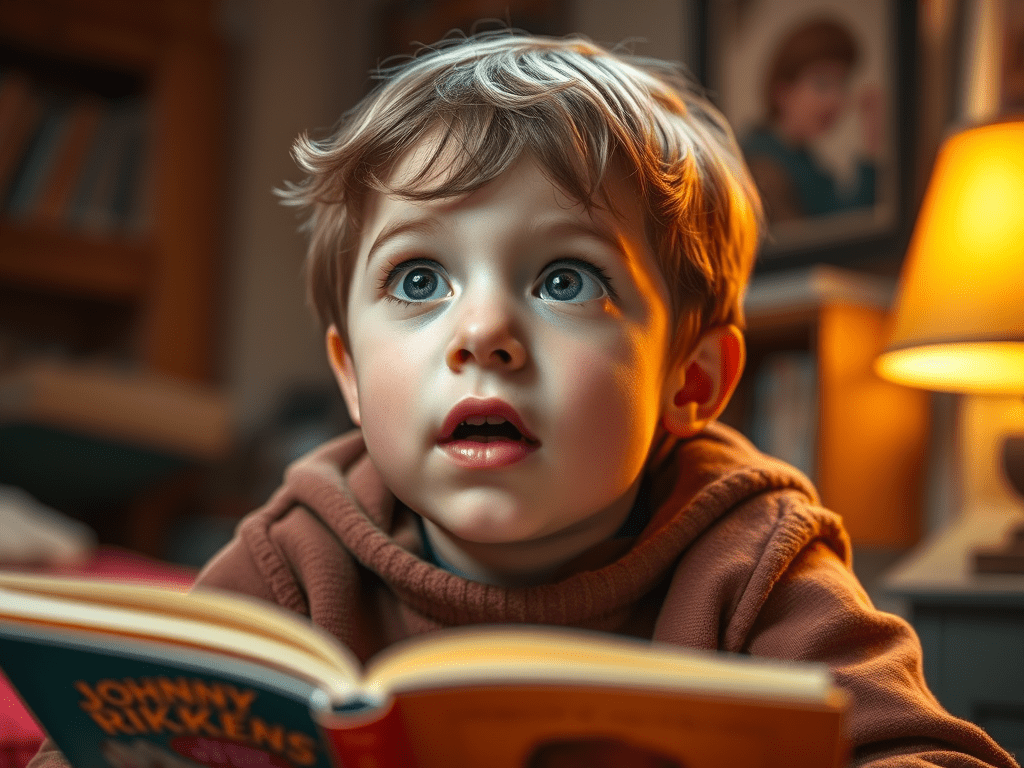
Fantasy books ignite kids imaginations like no other genre. When children experience fantastical worlds, they learn to think beyond the limits of reality. This kind of imaginative exercise is crucial for problem-solving skills, as it encourages kids to envision multiple solutions to a challenge. The book Johnny Rikkens’ Fantastic Worlds, for instance, takes readers on an adventure filled with unexpected twists and turns, helping young minds learn to adapt, strategize, and think creatively.
2. Encouraging Emotional Growth and Empathy
When young readers follow a character’s journey, they step into someone else’s shoes. Fantasy books often tackle complex themes like friendship, courage, and perseverance, teaching children valuable life lessons. Through the struggles and triumphs of heroes like Johnny Rikkens, kids learn about resilience, empathy, and the importance of believing in themselves. And most importantly: the capacity of doing the right thing even when it comes with a cost—losing something you love in the name of the greater good. The world needs more people with this mindset, and parents highly benefit from having children who are capable of making a hard choice even when it involves letting go of something they like.
3. Enhancing Language and Literacy Skills
Fantasy stories are rich with descriptive language, new vocabulary, and intricate storytelling techniques. Research shows that children who read fantasy books tend to develop stronger literacy skills as they encounter unique words and phrases that enhance their reading comprehension.
Concerning that, Johnny Rikkens’ Fantastic Worlds introduces young readers not only to beautifully crafted worlds and dynamic characters but also to a new fictional language called Aurish, which is possible to learn since it’s fully functional. When kids are faced with new words, it helps them to expand their language skills and capacity to express complex ideas while keeping them thoroughly entertained.
4. Sparking a Lifelong Love for Reading
The best way to nurture a lifelong reader is to offer books that captivate and inspire. Fantasy novels create an immersive experience that keeps kids hooked, making reading a pleasurable habit rather than a chore. Besides that, they motivate kids to put their phones and their 15-second videos aside and develop the skill of concentrating on a complex task, radically improving their attention span. But if you think your child will never choose a book over their cellphone, this other article I wrote may help you: How to Make Reading as Addictive as Screens for Kids.
5. Strengthening Cognitive and Analytical Thinking
Fantasy books encourage readers to connect events, identify patterns, and think critically about the storyline. They present intricate plots, moral dilemmas, and complex characters who struggle to overcome their own flaws. This kind of inner experience helps to shape kids abilities to better comprehend their lives and to understand that good things always come through effort. Besides that, fantasy books help children sharpen their cognitive skills and learn to analyze situations from different perspectives, which increases their success as problem solvers.
6. Providing an Escape and Reducing Stress
Just as adults turn to books to relax and be entertained, children benefit from the escapism that fantasy books provide. Reading a captivating adventure offers an emotional outlet, reduces stress, and helps kids cope with real-life challenges. The thrilling adventures found in fantasy books offer young readers a safe space to dream, explore, and discover their inner strength.
The Magic of Fantasy Lives On
Fantasy books are not just about escaping reality; they shape young minds in ways that structured education alone cannot. They nurture creativity, build empathy, and foster a love for learning that extends beyond the pages. If you’re looking for a book that will transport your child to a world of adventure, Johnny Rikkens’ Fantastic Worlds is the perfect choice. Let your child open this book, step into the magic, and begin a journey that they will love and cherish!
 MV Rockchild
Leave a comment