


When I first started writing my book, I knew my competitors were not other books but screens and their inifite distractions. Over time, I realized screens do not only provide an innocent distraction to kids but also cause visible damage. Try to keep a meaningful conversation with a regular kid, and you’ll see it firsthand—their attention span is very short, and their vocabulary and capacity to express ideas are limited. However, the damage goes beyond these things, and I was unpleasantly surprised by all the harmful effects screens are having on kids while preparing this article.
Come with me and tell you not only how badly our kids are damaged by screens but also provide you with a few simple steps to start solving that.
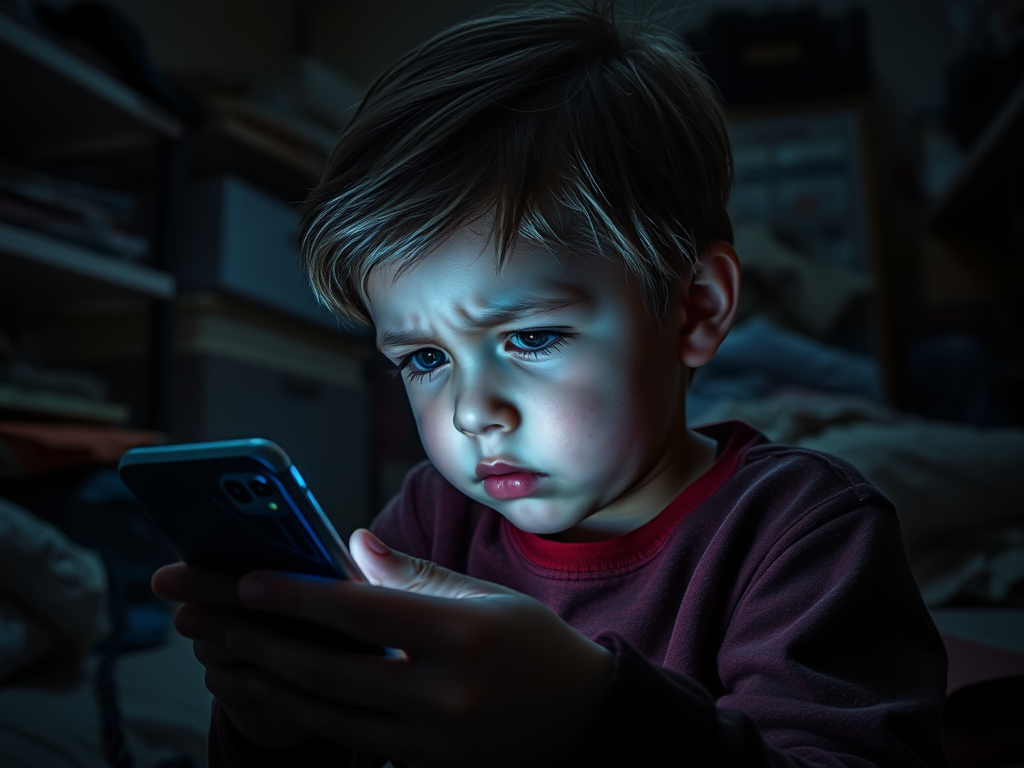
Structural Brain Changes
Research indicates that high amounts of screen time can affect brain growth and development at much earlier ages. A study led by experts at Cincinnati Children’s Hospital found that excessive screen exposure in young children is associated with differences in brain structure, particularly in areas related to language and literacy development. These findings suggest that prolonged screen time may impact the normal maturation of critical brain regions.
Source: Research Horizons
Cognitive and Language Development
Excessive screen time has been linked to delays in cognitive and language development. A study on Korean children aged 24–30 months found that toddlers who engaged in three hours of TV viewing per day were three times more likely to experience language delays. Additionally, these children scored lower on school readiness tests measuring vocabulary, number knowledge, and classroom engagement. This suggests that early, extensive screen exposure may hinder essential developmental milestones.
Source: Wikipedia
Impoverished Stimulation
The growing human brain continuously builds neural connections while pruning less-used ones, and digital media use plays an active role in that process. According to Dr. Michael Rich from Harvard Medical School, much of what happens on screen provides “impoverished” stimulation compared to real-life experiences. Children require a diverse range of online and offline interactions, including opportunities for unstructured play and face-to-face communication, to foster healthy brain development.
Source: Harvard
Mental Health and Emotional Well-being
Beyond structural and cognitive effects, excessive screen time has been associated with mental health challenges. The phenomenon known as “popcorn brain” refers to a state where constant digital stimulation leads to fragmented attention spans and increased stress or anxiety. This condition arises from the brain’s adaptation to rapid information processing on screens, making non-digital activities less satisfying and potentially contributing to a cycle of dependency and decreased mental well-being.
How to help your child
Let’s be real: screens are here to stay; they are an integral part of modern life. However, moderation and mindful usage are key to ensuring they don’t impede children’s development. During my research, I found these suggestions and strategies you can follow to achieve that:
- Set Time Limits: Establish clear guidelines for daily screen usage to prevent overexposure.
- Encourage Alternative Activities: Promote physical play, reading, and hobbies that don’t involve screens.
- Engage in Co-Viewing: Participate in screen activities with your children to provide context and encourage critical thinking.
- Create Tech-Free Zones: Designate areas and times, such as during meals and before bedtime, where screens are not allowed to foster family interaction and ensure adequate rest.
By implementing these practices, you can help mitigate the potential negative impacts of screen time on your children’s brain development and overall well-being.
In the next article, we will see how to turn the tables and How to Make Reading as Addictive as Screens for Kids. Subscribe to our newsletter, and you’ll be notified as soon as it’s out. See you there!
 MV Rockchild
Leave a comment